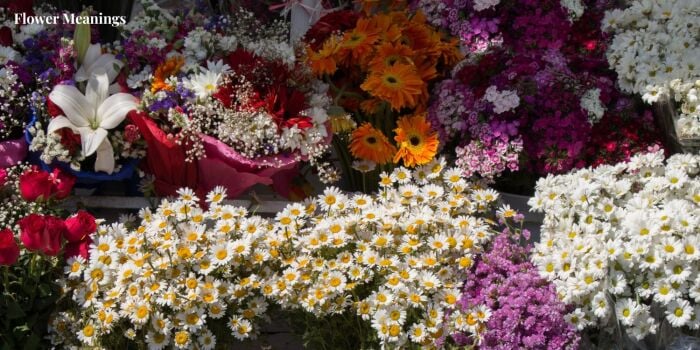
Flowers can communicate emotions that are sometimes difficult to put into words. From romantic love and friendship to remembrance and new beginnings, the type and colour of a flower can add another layer of meaning to a thoughtful gift.
While you do not need to follow traditional flower meanings when choosing an arrangement, understanding their symbolism can help you select flowers that feel especially personal.
Floriography is the language of flowers. It refers to the meanings traditionally assigned to different blooms, colours and floral arrangements.
The practice became particularly popular during the Victorian era, when flowers were used to communicate feelings that could not always be expressed openly. A carefully chosen bouquet could convey love, admiration, gratitude, sympathy or even disappointment.
Flower meanings are not universal. Interpretations can vary between cultures and have evolved over time, so traditional symbolism is best used as inspiration rather than a strict set of rules.
A flower’s meaning comes from more than its variety. Colour and context can turn the same type of flower into a symbol of romantic love, friendship, celebration or remembrance. In Australia, popular flowers are associated with different meanings and occasions.
|
Flower |
Common meanings |
Suitable occasions |
|
Roses |
Love, passion, admiration and gratitude |
Romance, anniversaries and thank you gifts |
|
Lilies |
Purity, peace, sympathy and remembrance |
Funerals, sympathy and significant celebrations |
|
Chrysanthemums |
Friendship, loyalty, remembrance and grief |
Friendship, sympathy and funeral tributes |
|
Orchids |
Beauty, elegance, admiration and enduring love |
Romance, congratulations and sympathy |
|
Carnations |
Affection, admiration and remembrance |
Mother’s Day, friendship and sympathy |
|
Tulips |
Love, affection and new beginnings |
Romance, birthdays and congratulations |
|
Sunflowers |
Happiness, warmth, loyalty and positivity |
Birthdays, congratulations and supportive gifts |
|
Peonies |
Romance, prosperity, happiness and marriage |
Weddings, anniversaries and romantic occasions |
|
Australian native flowers |
Strength, resilience and connection to Australia |
Celebrations, sympathy and meaningful gifts |
Roses are among the most recognisable symbols of love, but their meaning changes with their colour. Red roses represent romantic love and passion, while pink roses convey admiration, gratitude and affection. White roses are associated with purity and remembrance, and yellow roses traditionally represent friendship and happiness.
When the message is romantic, rose bouquets are a timeless option that may be expected but will never disappoint.
Lilies are commonly associated with purity, peace and renewal. White lilies are frequently included in sympathy arrangements and funeral flowers because they can represent remembrance and the restoration of innocence after death.
Their graceful appearance also makes lilies suitable for weddings, religious ceremonies and celebrations of new beginnings.
Chrysanthemums can represent friendship, loyalty, happiness and longevity, although their symbolism varies significantly between cultures. In many European countries, they are closely connected with mourning and remembrance. In Australia, chrysanthemums are also strongly associated with Mother’s Day because they are commonly called “mums”.
Their varied meanings make chrysanthemums suitable for cheerful gifts as well as thoughtful sympathy flowers.
Orchids symbolise beauty, refinement, admiration and enduring love. Their elegant appearance makes them a popular choice for romantic occasions, congratulations and milestone celebrations.
Colour can influence their message. Pink orchids are associated with grace and affection, while white orchids can represent purity, peace and sympathy.
Carnations traditionally represent affection, admiration and remembrance. Pink carnations are often connected with gratitude and a mother’s love, while red carnations communicate admiration and deep affection. White carnations can symbolise purity, innocence and remembrance.
Because they are available in many colours, carnations can be adapted to celebrations, romantic gifts and also as expressions of sympathy.
Tulips are associated with love, affection and new beginnings. Red tulips traditionally express romantic love, while pink tulips can represent happiness and admiration. Yellow tulips convey cheerful thoughts and friendship, and white tulips are sometimes given as a gesture of forgiveness.
Their simple shape and bright colours make tulips particularly suited for birthdays, romantic gestures and fresh starts.
Sunflowers symbolise happiness, warmth, loyalty and positivity. Their bright yellow petals and sun facing growth have also connected them with optimism and admiration.
A sunflower arrangement can celebrate a birthday, congratulate someone on an achievement or offer encouragement during a challenging time.
Peonies are traditionally associated with romance, prosperity, happiness and a successful marriage. Their full, soft blooms have made them especially popular for weddings and romantic arrangements.
They can also express good fortune, making them a thoughtful choice for engagements, anniversaries and new beginnings.
Australian native flowers bring their own distinctive symbolism to an arrangement. Banksias are often associated with resilience and renewal, while waratahs can represent strength and courage. Wattle carries a strong connection to Australian identity, unity and remembrance.
These meanings make native flowers suitable for celebrations, sympathy arrangements and gifts that feel distinctly Australian.
Colour can transform the message communicated by a flower. Although meanings vary, these are some of the most common associations:
The flower and its colour work together. A red rose conveys romantic passion, while a white rose may communicate remembrance or purity. Similarly, yellow tulips feel cheerful and friendly, while red tulips carry a more romantic message.
Begin with the message you want to communicate. Roses, tulips and peonies suit expressions of love, while sunflowers and yellow blooms convey friendship and happiness. Lilies, orchids and chrysanthemums can communicate peace, remembrance and support.
You can also combine different flowers and colours to create a more layered message. A bouquet of pink roses and lilies could express admiration and affection, while white lilies with native flowers may communicate peace and resilience.
Traditional symbolism can provide direction, but the recipient’s preferences still matter. Their favourite flower or colour may carry more personal meaning than any historical interpretation. Put that meaning into practice by choosing flowers that suit both the person and the occasion. Sarina’s Florist offers same day delivery in Sydney for flowers for all types of occasions. Our team is always available to help you choose the right flower bouquet or arrangement.
Tags:
Learn what popular flowers and colours symbolise, from love and friendship to sympathy, and choose a bouquet with the perfect meaning.
Read more